Tasting Room Etiquette: 8 Rules for a Respectful Vineyard Tasting
A practical guide to tasting room etiquette — from spitting and splitting pours to tipping and the...

Three words, one hillside, and a fair amount of quiet confusion. A visitor books a “vineyard tour” and then spends the morning indoors beside stainless steel tanks. Another asks to see the cellar and is walked out into a field. None of this is anyone’s fault. The terms overlap, translations vary, and small estates often keep all three operations within a few hundred metres of each other.
Knowing which part of the property you are heading for changes what you wear, what you ask, and whether the day delivers what you hoped for. Here is what each term actually describes.
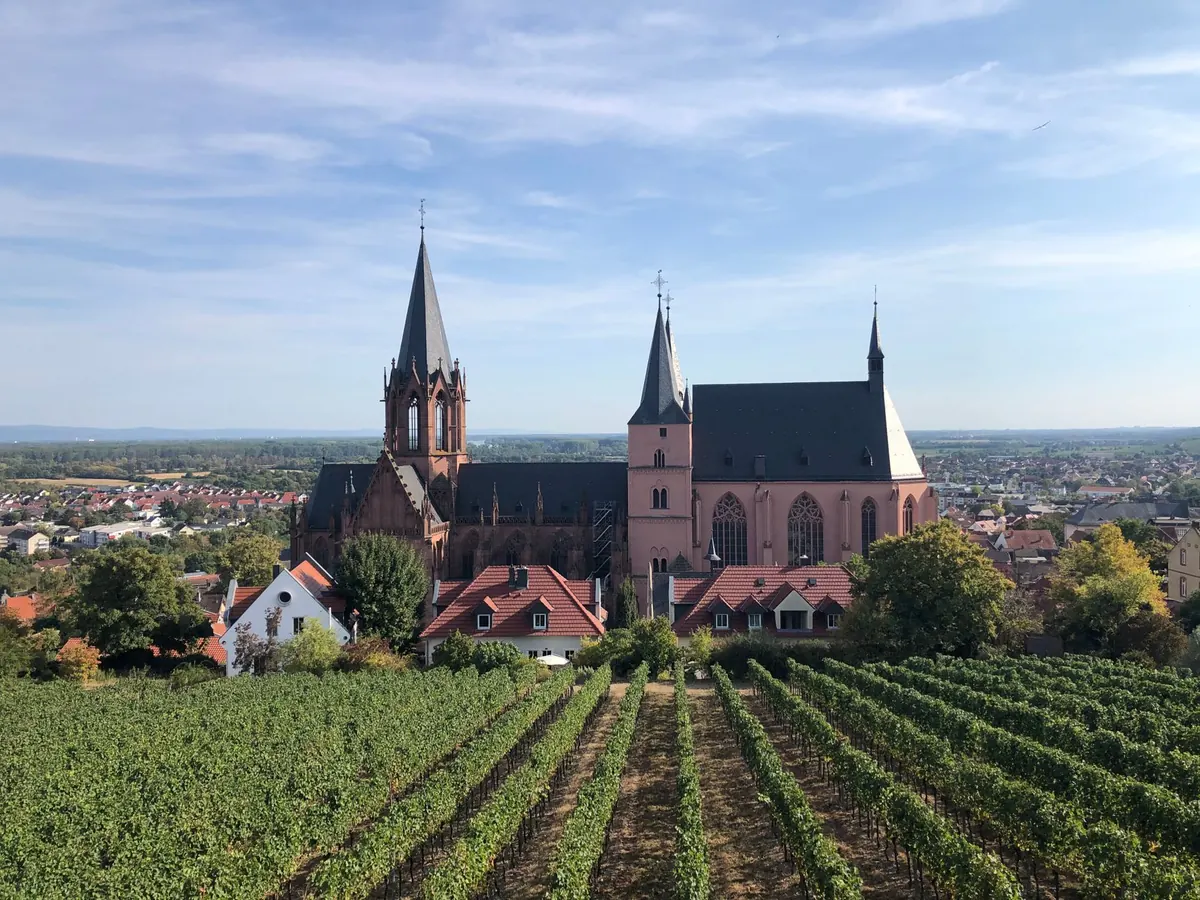
Everything in a bottle starts standing in the sun. A vineyard is agricultural land: rows of vines trained along wires, a cover crop or bare soil between them, a headland wide enough for a small tractor to turn. You will notice practical things once you are among the rows — irrigation lines, wooden or metal end posts, netting over the outer rows where birds are a problem, maybe a small weather station on a pole.
The work is seasonal and mostly unglamorous. Winter pruning leaves bare canes and a scatter of cuttings; spring brings budburst and the risk of frost; summer is canopy management, trimming and leaf removal. By late summer the nets go on and the sugar readings start being taken. A vineyard visit is at its most interesting just before harvest, when the fruit is heavy and everyone is watching the forecast.
What you will actually do at a vineyard varies enormously. It might be a fifteen-minute walk to a viewpoint with a glass of something cold, or a two-hour trek across steep terraces. Ask about distance and terrain when you book. Wear closed shoes with grip — grass, stones and dry soil are all less forgiving than a tasting room floor — and take sun protection seriously, because vine rows offer very little shade. Unless you are invited, walk the headlands rather than between the rows; there may be irrigation lines, freshly sprayed ground or fragile soil underfoot.
How old are the vines? Which varieties are planted here, and why these? Is this one parcel or several? Do the grapes from this slope go into a single wine, or are they blended with fruit from elsewhere? The answers tell you more about a bottle than most back labels do.
A winery is where grapes become wine, and it is a production site first. You will see a receiving area where fruit is sorted and destemmed, a press, rows of fermentation vessels — stainless steel, concrete, sometimes clay amphorae — and usually a barrel room and a bottling line. There is a laboratory somewhere, and a lot of hosing.
Wineries smell. Yeast, warm fruit, sometimes a sharp prickle of carbon dioxide during active fermentation, sometimes the clean cold smell of a cellar. They are also loud and wet. Floors are often slick, hoses snake across walkways, and forklifts move without much warning. Keep your hands off tanks, valves and barrel taps, stay out of doorways, and ask before photographing anyone at work.
Time your visit if you can. During harvest, a winery is genuinely exciting — fruit arriving, presses running, the whole building on a different rhythm. In quiet months you will see the same equipment standing still, which is fine but less vivid. Either way, the tour usually ends in a tasting room or at a barrel sample, and that is where the good conversation happens.
One distinction worth holding on to: a winery does not have to own a vineyard. Plenty of respected producers buy grapes or finished wine and make excellent bottles in a building with no vines in sight. If you care about the farming, ask.
A cellar is a storage space, and its whole job is to keep conditions steady. Cool, dark, humid, and above all consistent. Some cellars are vaulted brick rooms under a village street, cut into soft rock centuries ago. Others are concrete boxes built into a hillside, or insulated rooms above ground that simply run a very good cooling system.
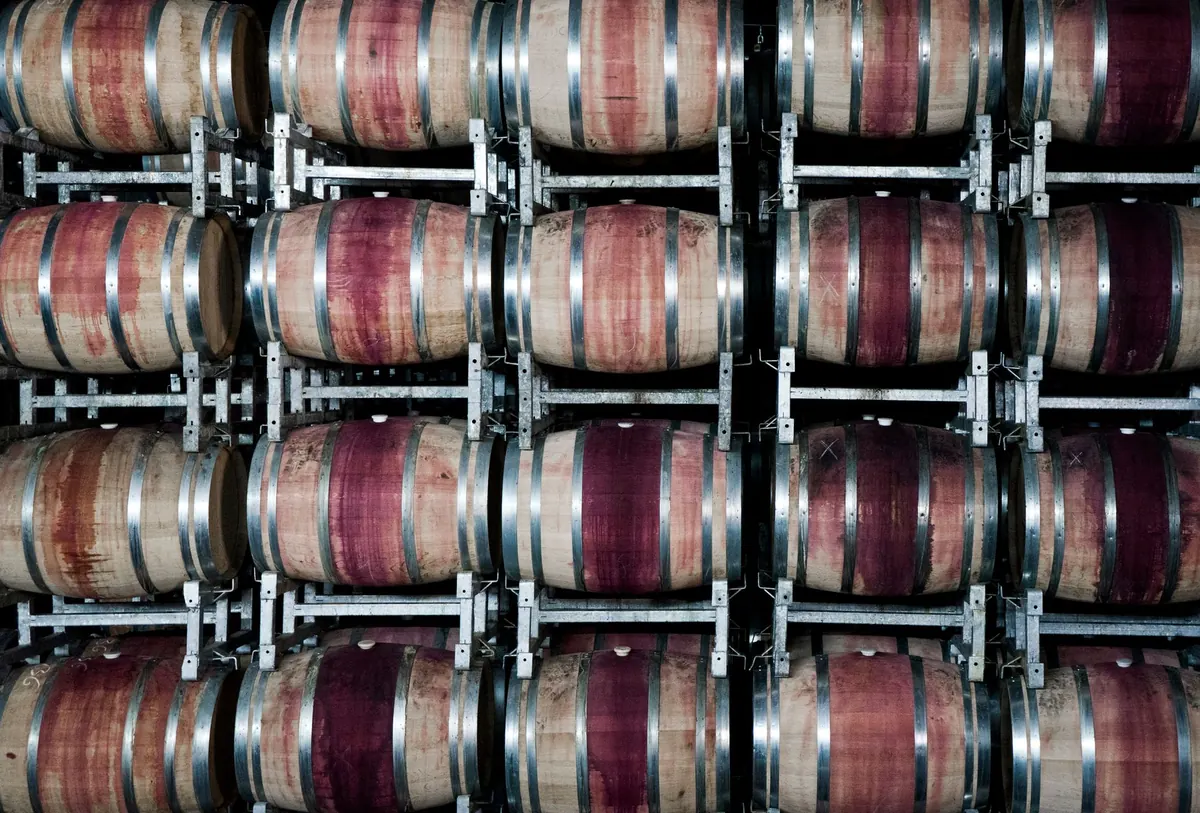
Inside, you will find barrels in stacks, steel or concrete tanks for settling, riddling racks if sparkling wine is made on site, and bottles resting in their bins. Dust on the shoulders of old bottles is normal, not neglect. Look for the small details: hygrometers on the wall, chalk marks on barrel heads, a tasting thief resting on a stand, stains on the floor where a barrel has been topped up.
Cellar tastings are the most atmospheric and the coldest. Even in August, an underground cellar sits at a temperature that will make you want a jumper, and your glass will fog for the first minute. Bring a layer. And if someone offers you a taste straight from the barrel, say yes — it is the closest you will get to the wine before it is finished.
Language is half the problem. English uses “winery” for the production building, but many wine countries use one word for both the winery and the tasting room, and another for the cellar.
Geography matters too. A small family estate may grow the grapes, make the wine and age it, all within a courtyard you can cross in forty seconds. A large producer might have vineyards in one valley, a winery in an industrial park and a cellar in a third location. Both are legitimate; they are just different kinds of business.
Words like “estate” or a named vineyard on a label mean different things in different countries, and the rules are not identical. If a site is described as a vineyard or an estate and that matters to you, ask the person pouring. They will almost always be pleased you did.
Match the booking to what you enjoy, not to the word on the website.
If you only have one afternoon, pick an estate that offers all three in one visit, and ask at the start how much of it you will actually see. “Vineyard tour and cellar tasting” can mean a genuine walk between the rows, or a glance out of a window.
Book ahead, especially at small estates where the person showing you around is also the person making the wine. Confirm what is included, how long it lasts, and whether the route involves steps, slopes or uneven ground. Ask about the walk if anyone in your group has mobility limits — old cellars are rarely accessible, and honesty in advance avoids disappointment at a doorway.
Wear closed, flat shoes and bring a light layer even on a hot day. Eat something beforehand, and plan how you are getting home; if you are driving, use the spittoon without embarrassment, because everyone in the trade does. Take water.
Finally, leave room in the day. The best part of a wine visit is usually unplanned — a conversation at the end of the tasting, a second look at a parcel you walked through, a bottle you decide to buy because you stood where the grapes grew. Knowing the difference between the vineyard, the winery and the cellar is simply what gets you to the right gate.
Photo: Petra Nesti / Pexels
A practical guide to tasting room etiquette — from spitting and splitting pours to tipping and the...
A practical introduction to Sangiovese, Nebbiolo, Barbera and other Italian grapes, covering what each...
Oak barrels and stainless steel tanks shape flavour, texture, cost and style very differently; here is how...