Tasting Room Etiquette: 8 Rules for a Respectful Vineyard Tasting
A practical guide to tasting room etiquette — from spitting and splitting pours to tipping and the...

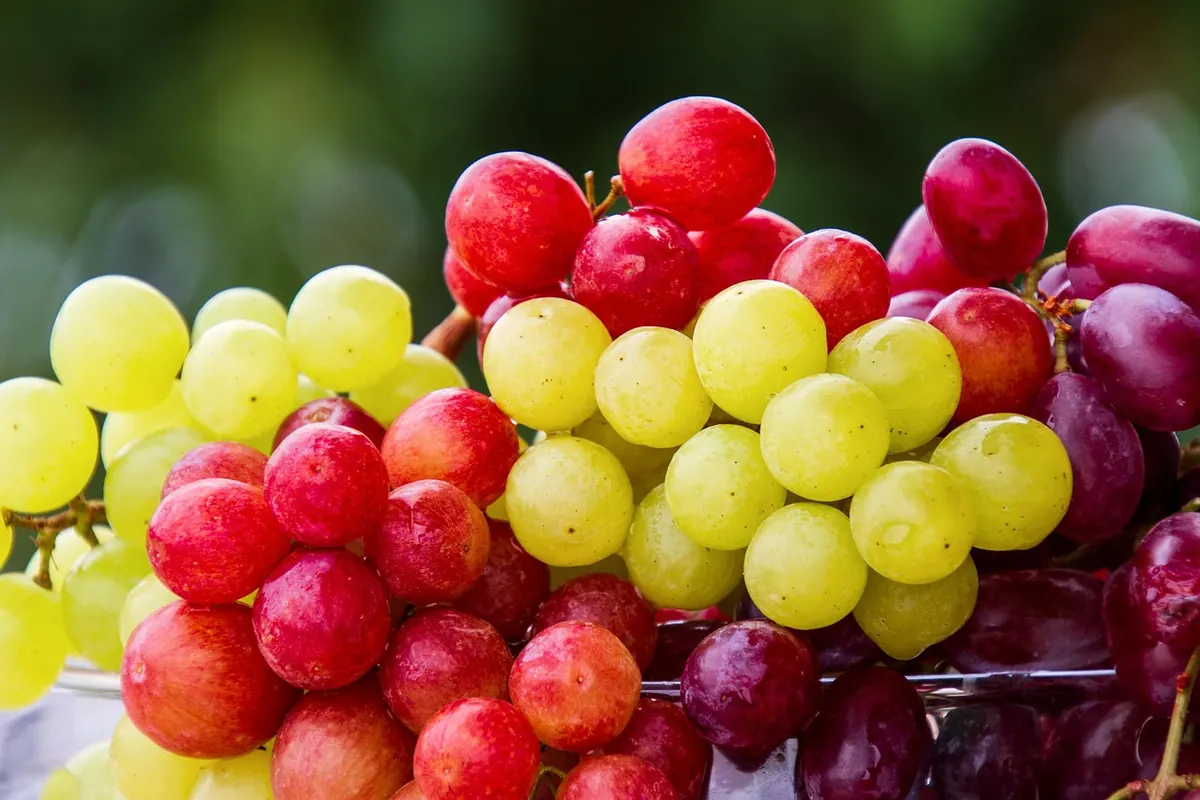
Italian wine can feel like a library with too many books and no catalogue. Somewhere between two and three thousand grape varieties grow in this country, and only a few dozen ever reach a shelf near you. That is good news. You do not need the whole library. You need four or five grapes you can recognise by taste, a rough map of where they come from, and a habit of comparing them side by side. Start with Sangiovese, Nebbiolo and Barbera, the three that anchor a great deal of Italy's red wine, then expand on purpose rather than at random.
Pour a young Chianti Classico and the first impression is not weight but movement: sour cherry, dried oregano, a tomato-leaf savour, and a grip of tannin that dries the middle of your tongue. Sangiovese is high in acid, firm in tannin, moderate in body, and thin-skinned, which makes it unusually sensitive to rain and hail. In a cool, wet vintage it can taste lean and green; in a warm, dry one it fills out and turns sweeter.
Tuscany is its homeland. Chianti Classico comes from the older core zone between Florence and Siena, while Chianti Rufina, further north and higher up, tends to be fresher and more perfumed. Brunello di Montalcino is Sangiovese grown in a warmer, sunnier pocket south of Siena and aged for years before release; Rosso di Montalcino is the younger, friendlier wine from the same hills. Vino Nobile di Montepulciano is also Sangiovese, named for the town and not for the Montepulciano grape. Move towards the coast and you meet Morellino di Scansano, juicier and softer. Across the Apennines in Romagna, Sangiovese makes a rounder, more immediately drinkable red.
At the table, Sangiovese wants acidity to match: tomato sauces, roast chicken, salumi, aged pecorino. Serve it at around 16–18°C and give a young, tannic bottle half an hour in a decanter. If a wine tastes thin and sharp to you, look for a warmer vintage or a producer who blends in a little Colorino or Canaiolo for weight.
Barolo and Barbaresco are both Nebbiolo, and the grape makes a wine that looks weaker than it is. The colour is pale garnet, sometimes almost translucent, and then a wall of tannin and acid arrives behind it. Aromas run to dried rose, tar, red cherry and orange peel, with truffle, leather and dried herbs appearing as the wine ages.
Nebbiolo buds early and ripens late, often in October, and it wants a foggy autumn and a south or southwest-facing slope to do its best work. Those hillsides in the Langhe are among the most contested vineyard land in Italy. The grape also grows with distinction in Roero, where sandier soils give a more approachable wine, in Gattinara and Ghemme further north, and in Valtellina, where it is called Chiavennasca and produces lighter, alpine-flavoured reds.
For a beginner, the useful distinction is between Langhe Nebbiolo, released young and tannic but drinkable, and the two famous appellations, where the minimum ageing before release is longer and the structure is denser. Barolo carries the stricter ageing requirement; Barbaresco, from slightly warmer and lower sites, tends to soften a little sooner. Decant young bottles for an hour or two, use a wide glass, and serve at 17–18°C. Nebbiolo with braised beef, mushrooms or a hard, nutty cheese is one of the more reliable pairings in Italian wine.
Barbera is the counterweight to Nebbiolo in Piedmont. It is deep in colour, high in acid, low in tannin, and generous with blackberry, blueberry, sour cherry and violet. Barbera d'Asti tends to be aromatic and juicy; Barbera d'Alba is often a touch rounder; Nizza, its own appellation around the town of Nizza Monferrato, gives the fullest expression. "Superiore" versions see more oak and more time, which softens the acid and adds spice.
This is the bottle to open on a Tuesday with pork chops, salami, pizza or anything braised in tomato. It also solves a common problem: if Nebbiolo feels too tannic for you right now, Barbera is where your palate should go first.
Worth knowing alongside it is Dolcetto, the other everyday red of the Alba hills. Where Barbera is acidic and low in tannin, Dolcetto is the reverse: soft acid, noticeable tannin, and flavours of blackberry and almond. Drink it young and slightly cool.
Once those three are familiar, work through this list. Each entry gives you a different structure and a different part of the country.
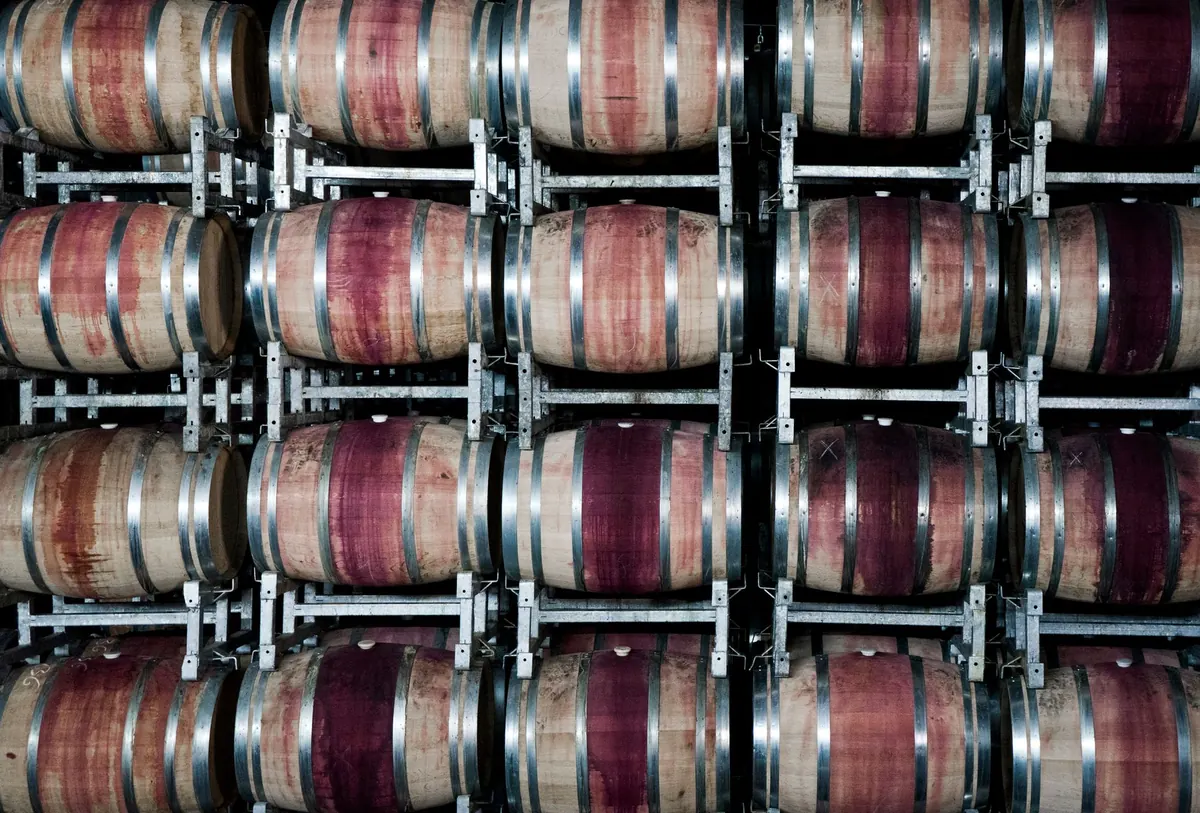
Two bottles of Sangiovese can taste like different grapes. Altitude slows ripening and keeps acid high; clay holds water and builds body; sand drains fast and gives lighter wines. Then comes the cellar. A Nebbiolo aged in large old oak stays pale and perfumed, while one aged in small new barrels picks up vanilla and colour. Appellation rules decide how long a wine must wait before release, which is why a Rosso di Montalcino and a Brunello can come from neighbouring rows and taste a decade apart.
So when you read a label, read two things: the grape and the place. Then ask how the producer treats it. That is enough to predict most of what is in the glass.
Buy the entry-level wine of a good producer rather than the top wine of an unknown one. Langhe Nebbiolo, Rosso di Montalcino, Chianti Classico, Barbera d'Asti and Verdicchio dei Castelli di Jesi are all honest ways to meet a grape without spending a fortune. Ask the person in the shop what they drank last week; enthusiasm is usually a better guide than a shelf talker.
Store bottles lying down, away from heat and light, and drink the fresh whites and light reds within a couple of years. Keep one bottle back each time you buy two, and open it a year later beside a new one. Nothing builds a palate faster than that small, repeatable comparison — and it is the closest thing to walking the rows yourself.
Photo: NickyPe / Pixabay
A practical guide to tasting room etiquette — from spitting and splitting pours to tipping and the...
Oak barrels and stainless steel tanks shape flavour, texture, cost and style very differently; here is how...
A practical guide to planning a harvest-season vineyard visit, covering when to book, what to wear, what...