Tasting Room Etiquette: 8 Rules for a Respectful Vineyard Tasting
A practical guide to tasting room etiquette — from spitting and splitting pours to tipping and the...

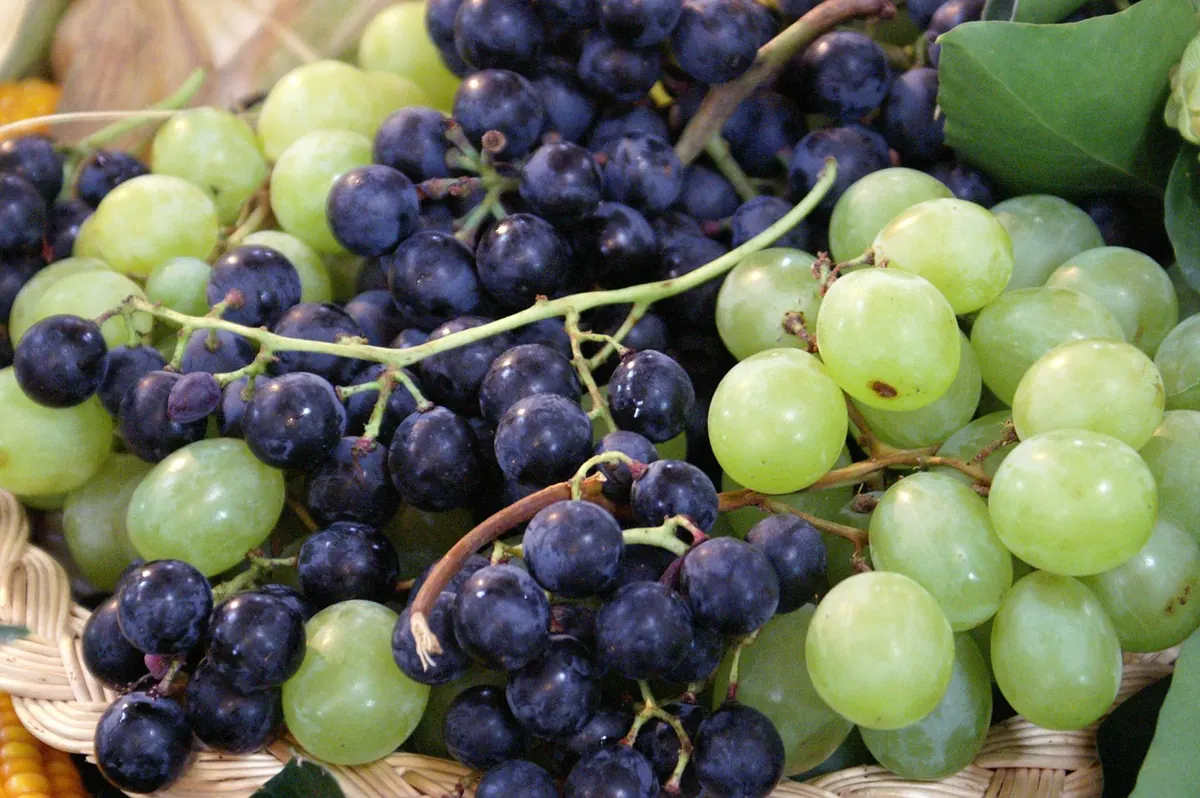
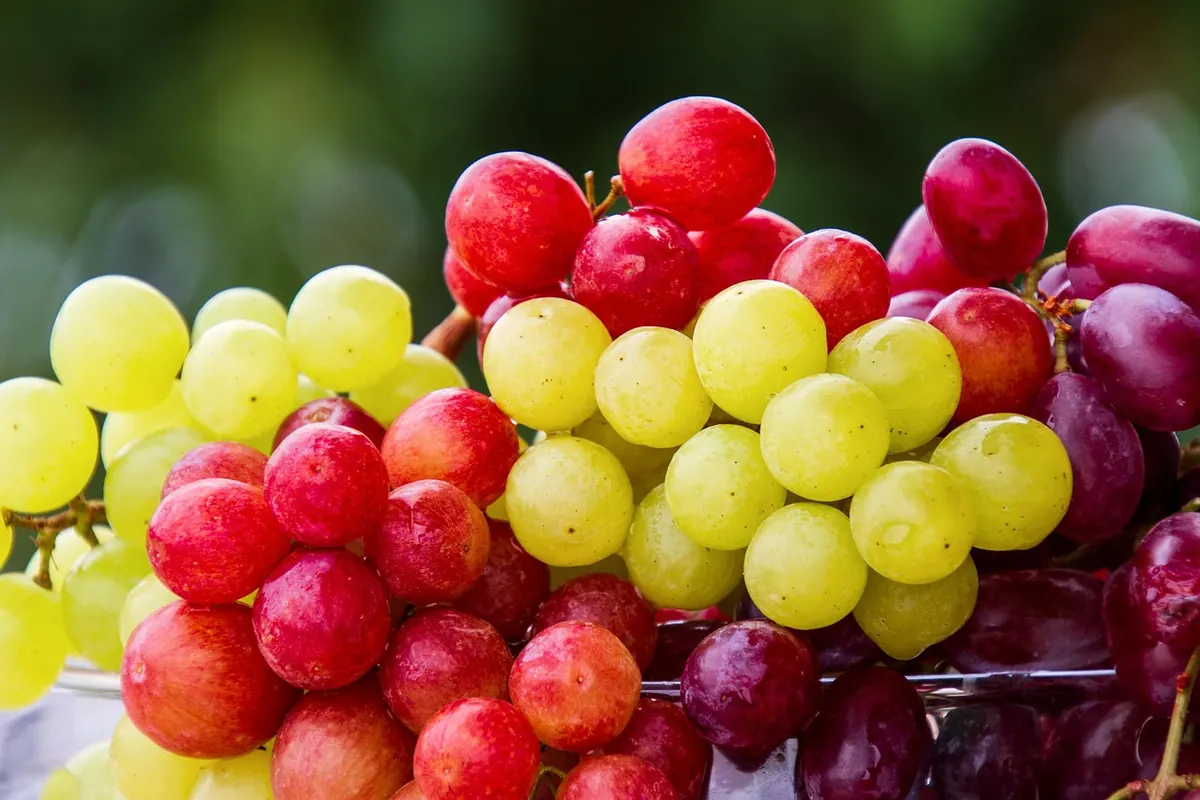
Harvest turns a vineyard into a place of early starts, full crates, and a certain electric patience. A harvest visit can be a gentle walk between rows, a morning spent watching a picking crew, or a long table lunch after a cellar tour. It is also a working farm at its most demanding. The best visits happen when guests plan around the grapes rather than the other way round. Here is what to sort out before you book, what to put on, and what to expect once you arrive.
Harvest dates are not fixed. They shift with the variety, the weather through summer, the altitude of the site, and even which side of a slope the rows face. The same estate may pick early grapes for sparkling wine weeks before it picks later-ripening reds. That is why a harvest visit works best when you treat the date as a window rather than a guarantee.
Start by asking the estate which varieties are usually picked around your preferred dates. If the answer is “we hope to be in the middle of the red harvest,” you have a useful clue. If it is “it depends on the next three weeks of sun,” believe that too. For popular weekends, book well ahead; small estates have limited staff and limited space in the cellar. Midweek visits are often quieter and give you more time with the person guiding you.
If you are travelling specifically to see picking, say so when you enquire. Some visits include a demonstration or a short spell in the rows; others are tours and tastings that happen to fall in harvest season. Those are different experiences. Ask how much walking is involved, whether you will be outdoors the whole time, and what happens if rain stops the pick. A flexible booking and travel plan is worth more than a perfectly timed one that cannot bend.
Vineyards are uneven, dusty, and often cooler in the morning than the afternoon forecast suggests. Dress for a farm walk with a tasting at the end, not for a city lunch with a photo stop. The single most important choice is footwear: closed-toe shoes with a grippy sole. Sandals, smooth-soled boots, and thin canvas trainers are a poor match for gravel tracks, damp grass, and loose soil.
Cellars are cool even on hot days, so a jumper or light jacket earns its place. Keep jewellery simple and leave flowing scarves at home if you will be near machinery or sorting tables. If you plan to taste, strong perfume or aftershave can get in the way of the wine’s aroma; save it for another occasion.
A typical harvest visit moves between three worlds: the rows, the winery, and the table. In the vineyard you may walk between vines, see pickers filling crates, and learn how growers decide that a parcel is ready. In the winery you might watch sorting, crushing, pressing, or fermentation, depending on the day and the setup. In the tasting room or courtyard, the visit usually ends with a guided flight of wines and, often, a simple meal.
Not every estate allows guests to pick. Picking is skilled, time-sensitive work, and a visitor with a bucket can slow a crew more than help it. If hands-on participation matters to you, ask directly. If it is offered, listen carefully to instructions, keep to the designated rows, and do not eat fruit from the vine unless you are invited to; sprayed grapes and unripe fruit are not a snack.
Harvest is also noisy and busy. Expect tractors, forklifts, hoses, and people moving with purpose. Stay with your guide, keep children close, and never wander into a cellar or between rows without permission. The best visits feel relaxed because guests understand that they are guests in a workplace.
Harvest visits vary widely. A short tour and tasting suits a couple with a tight schedule; a full-day experience with a vineyard walk and lunch suits someone who wants context. Private visits can be gentler for older guests or families, while group tours may be livelier and more affordable. Ask about the terrain, the distance walked, shaded areas, toilets, and whether the tasting room is step-free if anyone in your party needs that information.
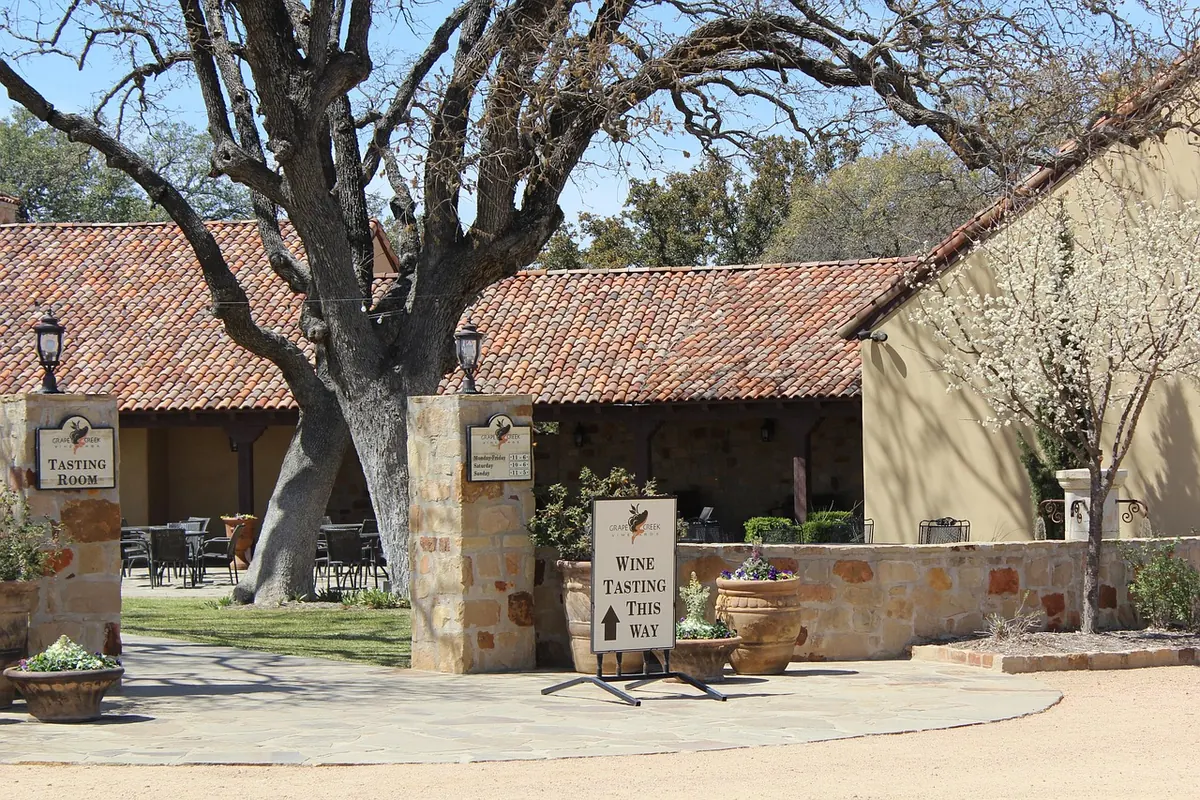
If you are the designated driver, say so at the tasting. Many estates can provide a spittoon, water, and a quieter corner, and some offer non-alcoholic drinks. Arrange transport before you arrive so no one has to make a difficult decision after a generous pour.
Confirm the meeting point, arrival time, and cancellation policy in writing. Harvest-season bookings often require a deposit because spaces are limited and weather can shuffle schedules. Ask what happens if picking is cancelled or delayed. Arrive ten minutes early, wear the shoes you planned to wear, and bring a printed or saved confirmation if the estate is in a rural area with patchy signal.
Once there, treat the vineyard like a working smallholding: close gates, follow marked paths, ask before taking photographs of staff, and keep pets at home unless the estate says otherwise. Do not pick grapes, climb equipment, or taste from tanks. These small courtesies make a real difference during the busiest weeks of the year.
Then arrive ready to walk, look, ask questions, and taste. Harvest is generous to curious visitors, but it rewards those who dress sensibly, book with a little flexibility, and remember that the grapes set the schedule.
Photo: norbert47 / Pixabay
A practical guide to tasting room etiquette — from spitting and splitting pours to tipping and the...
A practical introduction to Sangiovese, Nebbiolo, Barbera and other Italian grapes, covering what each...
Oak barrels and stainless steel tanks shape flavour, texture, cost and style very differently; here is how...