Tasting Room Etiquette: 8 Rules for a Respectful Vineyard Tasting
A practical guide to tasting room etiquette — from spitting and splitting pours to tipping and the...

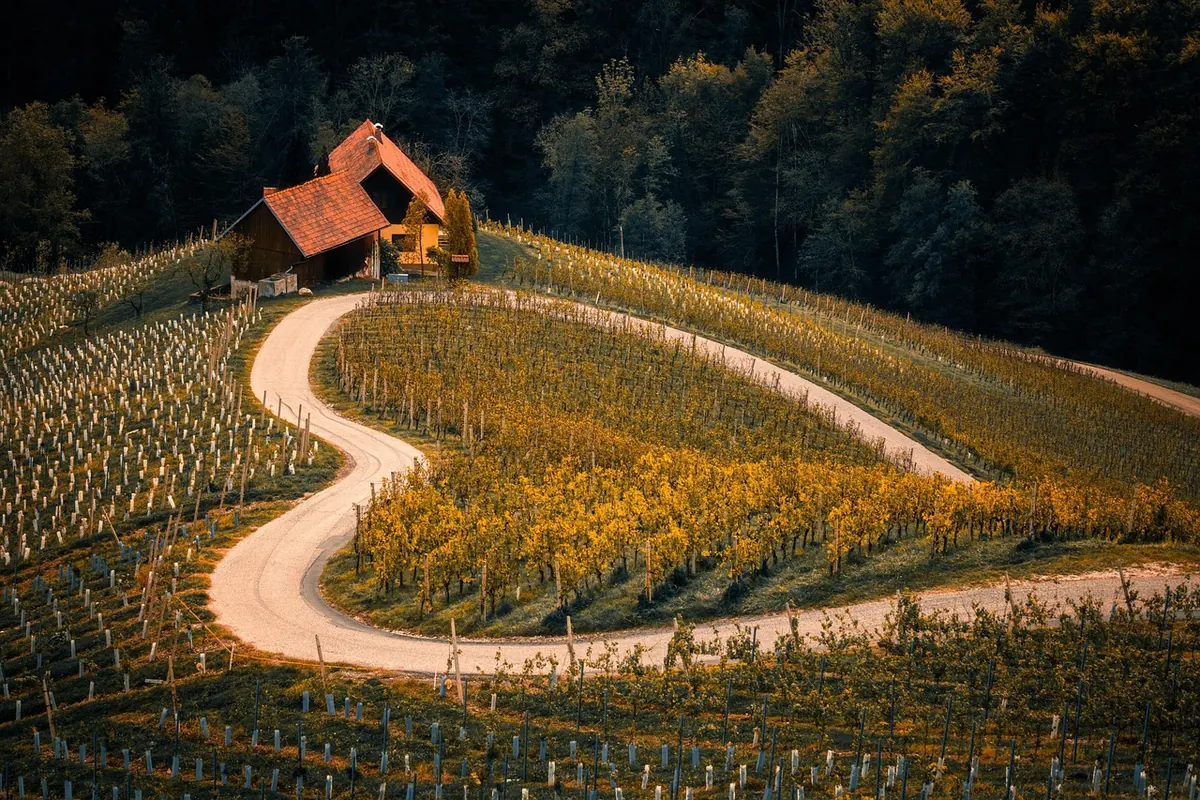
A vineyard in February and a vineyard in September are barely the same place. One is grey lines, wet grass and the smell of woodsmoke; the other is loud with people who have been up since four in the morning, and the air around the cellar door is thick with crushed fruit. Turn up in the wrong week with the wrong expectations and Italy's wine country can feel closed, muddy or frantic. Turn up with a rough idea of the calendar and it becomes one of the most generous places you can spend a few days.
What follows is a plain account of what a working vineyard looks like through the year, what the cellar is doing, and what you can realistically expect at the gate — plus the practical things worth sorting out before you book.
Spring arrives unevenly. March in Piedmont is not March in Sicily, and a hillside site in Chianti Classico can run a fortnight behind the valley floor a few kilometres away. The pattern, though, holds. Pruning finishes and the canes are tied down along the wires. Then the first green shoots push out of the old wood — budbreak — usually somewhere between late March and mid-April, depending on the variety and the altitude.
This is the season of frost worry. On cold nights you may see growers out in the rows before dawn, and in some zones you'll notice fans or candles standing at the end of the vineyard. Ask about it; it's one of the few times of year when the weather risk is easy to see and easy to talk about.
For visitors, spring is quiet and slightly scruffy in the best way. The tracks are muddy, so leave the white trainers at home. Cover crops — mustard, vetch, clover — flower between the rows and the whole hillside turns yellow and green. Tasting rooms are cold, because the cellar is still holding last year's wine and nobody has switched the heating on. You'll often taste the previous vintage from tank or barrel rather than from bottle, which is a genuine privilege and worth asking for directly.
By June the rows have closed into hedges and the work moves upward. Growers strip leaves on the morning side of the canopy so the fruit gets light and air, thin out bunches that are crowding each other, and keep an eye on mildew after rain. Walk the rows in early summer and you'll see the difference between a vineyard trained on a low trellis and one on the old pergola system — the first looks like a garden hedge, the second like a roof of leaves with bunches hanging underneath.
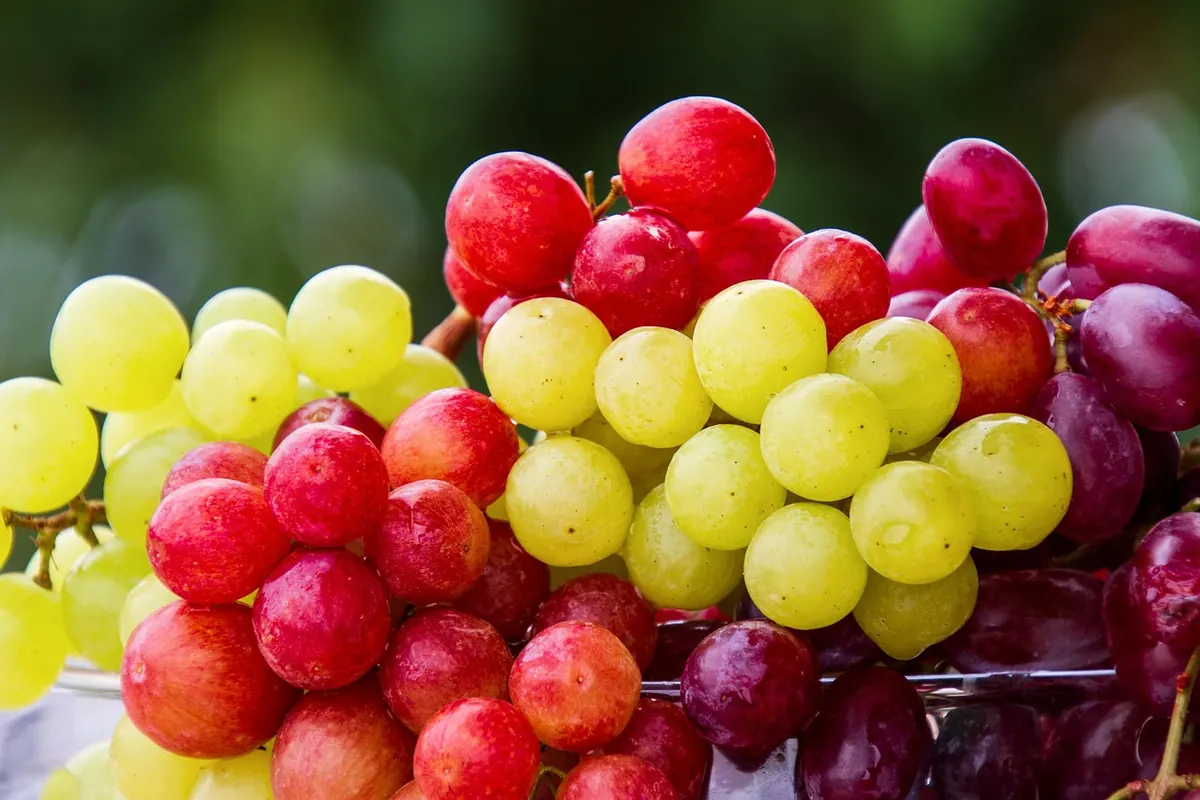
August brings veraison: red grapes shift from green to pink to purple, whites go from opaque to translucent. It is the most photogenic fortnight of the year and also the moment when wasps arrive, so don't wander into the rows eating a peach.
Heat is the practical issue. Afternoon temperatures in many Italian wine zones sit in the low thirties, and the hills offer little relief at two in the afternoon. Book tastings for the morning, between nine and eleven, when cellars are still cool and the light is good. Evenings are the reward: daylight lasts until nine or later, and many estates serve dinner outside among the vines. Bring mosquito repellent for dusk and a light layer for the drive home. If you are visiting during a dry summer, ask whether the region is under irrigation restrictions — it shapes how the year is going and growers are usually happy to explain.
Autumn is the season most people picture, and it is genuinely extraordinary — but it is also the worst time to expect a relaxed, unhurried visit. Picking decisions are made on sugar, acid, tannin and the forecast, and they change by the day. Harvest may begin at four or five in the morning to bring fruit in while it's cool. In Sicily and on Etna it can start in late August; in Chianti it usually falls in September; in Barolo and Barbaresco it often runs into October.
During those weeks, tractors take up the narrow lanes, the tasting room may be short-staffed, and an eleven o'clock appointment can be moved because a tank needs attention. None of that is rudeness. Book weeks rather than days ahead, confirm the day before, and build slack into your schedule.
What you get in return is the full theatre of the place: sorting tables, the smell of fermentation drifting out of the cellar door, and the strange, warm quiet of a winery at seven in the evening when the fruit is finally in. If you are offered a look at an open fermenter, look from a step back — carbon dioxide gathers at the bottom of tanks and in low corners, and it is not something to lean into.
The best visit is rarely the one with the longest tasting list. It is the one where somebody finds five spare minutes to walk you to the end of the row.
Autumn also brings the surrounding culture with it: village grape festivals, chestnuts, mushroom dishes, and in Piedmont the white truffle season from October. Rural roads get busy at weekends, so book restaurants as carefully as you book wineries.
From January the vines are bare and the work turns inward and manual. Pruning is skilled, slow and mostly done in cold weather; you'll see piles of cut canes burning at the edge of the rows and a smell that anyone who has spent time in wine country associates instantly with the season. In the Langhe, fog often fills the valley floors and the hilltop villages sit above it like islands.
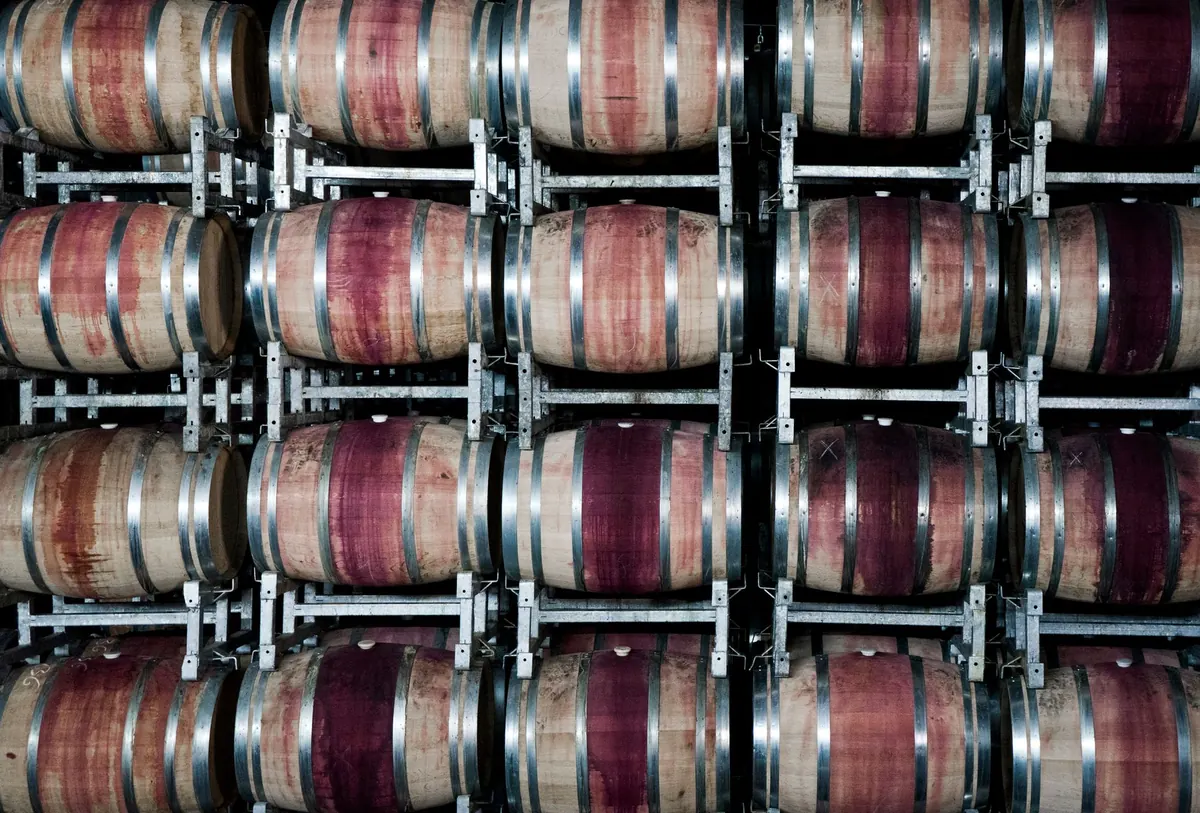
This is the connoisseur's season. Cellars are full — new vintage in bottle, older wines in barrel — and small estates that cannot spare an hour in October suddenly have two. You are more likely to be walked through a barrel room by the winemaker himself in February than at any other time of year. November adds the olive harvest and new oil; December adds Christmas markets in the bigger towns.
Go prepared. Tasting rooms in stone buildings are genuinely cold, so wear layers and something with a decent sole. Some restaurants in wine villages close for a week or two in January, so check before you build an itinerary around one of them. In mountain areas, ask about winter tyres or chains before you set off.
Small Italian estates are not theme parks. Many run visits by appointment only, often with one person handling everything from the vines to the shipping, so a little preparation goes a long way.
One last thing worth knowing: the season changes what is poured as much as what is seen. If you can, visit the same estate twice in different months — the vineyard will look like a different place, and the wines will taste like it too.
Photo: IdaT / Pixabay
A practical guide to tasting room etiquette — from spitting and splitting pours to tipping and the...
A practical introduction to Sangiovese, Nebbiolo, Barbera and other Italian grapes, covering what each...
Oak barrels and stainless steel tanks shape flavour, texture, cost and style very differently; here is how...