Tasting Room Etiquette: 8 Rules for a Respectful Vineyard Tasting
A practical guide to tasting room etiquette — from spitting and splitting pours to tipping and the...

Five glasses stand in a row on a white paper mat, and the person beside you swirls, sniffs, and announces "cherry, leather, a hint of graphite" without blinking. You take a sip of the same wine and think: tastes red. That gap between what you sense and what you can say is not a talent you were born without. It is a set of small habits, and most of them take less than a minute per glass.
This checklist is the one worth keeping in your pocket for a first vineyard tasting, a cellar visit, or a bottle opened at home with more curiosity than usual. Nothing here requires special equipment or a vocabulary you have to fake.
A few small preparations do most of the work. Ask for a clean glass and check it against the light; a smudge of dish soap or a fingerprint of lipstick will fight everything you are trying to smell. In a tasting room, the staff will usually be glad to rinse and re-pour.
Find something white to hold behind the glass, even a folded sheet of paper. Put water within reach and something plain to eat — bread, crackers, nothing salted or strongly flavoured. Skip the coffee and the perfume if you can; both flatten your nose for the first half hour. And bring something to write with, because the fourth wine will erase your memory of the first.
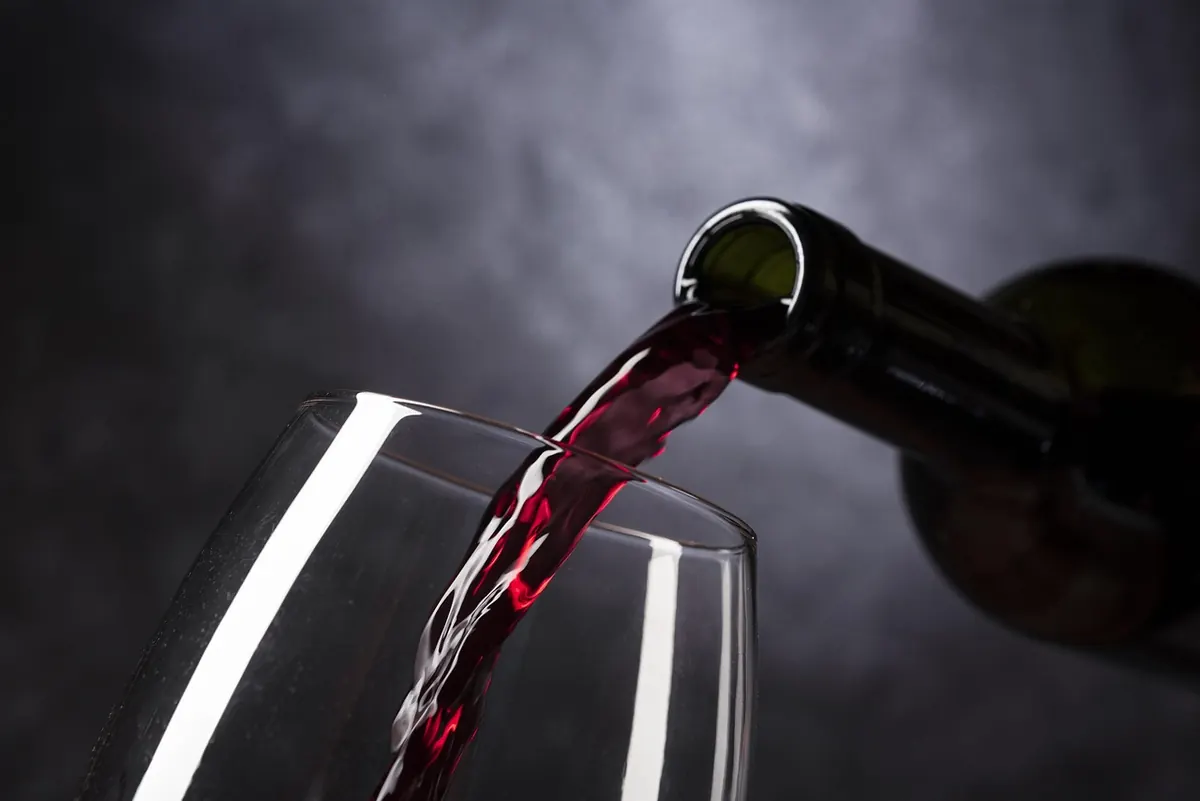
Colour is a rough clock and a rough thermometer, not a score. White wines darken with age, moving from near-water pale through straw to gold and, in sweet wines, amber. Reds move the other way, from purple-red in youth toward garnet and brick at the rim. Tilt the glass and look at the edge where the wine thins out; the difference between the centre and the rim tells you more than the centre alone.
Clarity is worth a glance, but don't panic at a little sediment in an older red — it is expected, and decanting handles it. What you are watching for is anything clearly wrong: a cloudy haze in a young white, or visible fizz where there should be none.
Those streaks that run down the inside of the glass after you swirl are sometimes sold as a sign of quality. They are not. They tell you about alcohol and sugar content, and nothing more.
Most beginners rush this part, take one quick sniff, and conclude they smell nothing. Slow down. Lower your nose into the glass, keep your mouth slightly open, and take a normal breath rather than a sharp one.
Then work in passes. On the first pass, just decide whether the fruit smells fresh or cooked, ripe or green. On the second, look for the non-fruit things: earth, mushroom, pepper, vanilla, bread crust, stone. On the third, check for faults — wet cardboard, sharp vinegar, nail polish remover. If you find one of those, say so plainly; it is useful information, not a personal failure.
If you cannot name the fruit, describe it instead. "Smells like the skin of a ripe plum" is a better note than a guess at a specific grape, and it is more honest.
Once the wine is in your mouth, the four questions from step seven do the heavy lifting.
Then judge balance, which is simpler than it sounds. Does the acid feel sharp or refreshing? Does the tannin feel firm or harsh? Does the alcohol taste warm and separate at the back of your throat? A balanced wine is one where no single element taps you on the shoulder and demands attention.
Spitting is normal and expected at any tasting where you plan to try more than three or four wines. Taste, let the wine sit for a few seconds, then tip it into the spittoon or the provided cup. Nobody is watching, and nobody is impressed by a flight finished glass by glass.
Between wines, drink water and eat a little plain bread. Avoid crackers with salt or herbs, cheese with a strong rind, and anything sweet, all of which will follow you into the next glass. If you are tasting reds after whites, ask whether the pourer recommends a different order — it usually helps.
Before you leave the table, write one sentence about your favourite wine that does not use the word "nice". Something like: "Lighter red, smells of herbs, finishes quickly, I would drink this with lunch." That sentence is worth more than any score out of a hundred, because it tells you what to look for next time.
Second, note the name and the vintage — not the price. A wine you loved at the cellar door will taste different after a long journey home, so buy one bottle rather than six and open it a week later.
Third, keep the three-word notes. After a dozen tastings you will find patterns in your own handwriting: you like sharp whites, or you prefer reds with softer tannin, or you lose interest in heavily oaked wines by the third sip. That is how a palate is built — not by learning the vocabulary first, but by paying attention, glass after glass, and letting the words catch up.
Photo: Vinotecarium / Pixabay
A practical guide to tasting room etiquette — from spitting and splitting pours to tipping and the...
A practical introduction to Sangiovese, Nebbiolo, Barbera and other Italian grapes, covering what each...
Oak barrels and stainless steel tanks shape flavour, texture, cost and style very differently; here is how...